
Headquarters market, most completed work
Houston’s industrial contractor, headquartered here
AP Construction plans and builds warehouses, truck and fleet facilities, and light industrial buildings across the Houston metro from its office on Queensbury Lane.
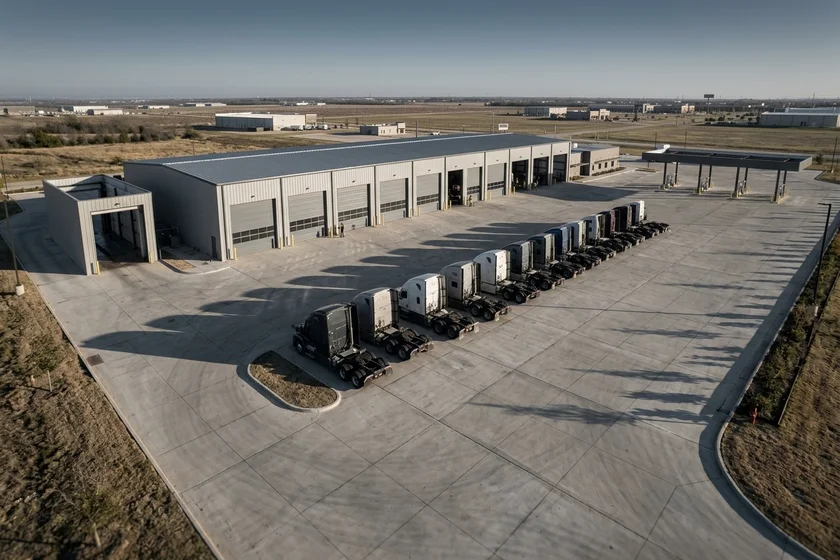
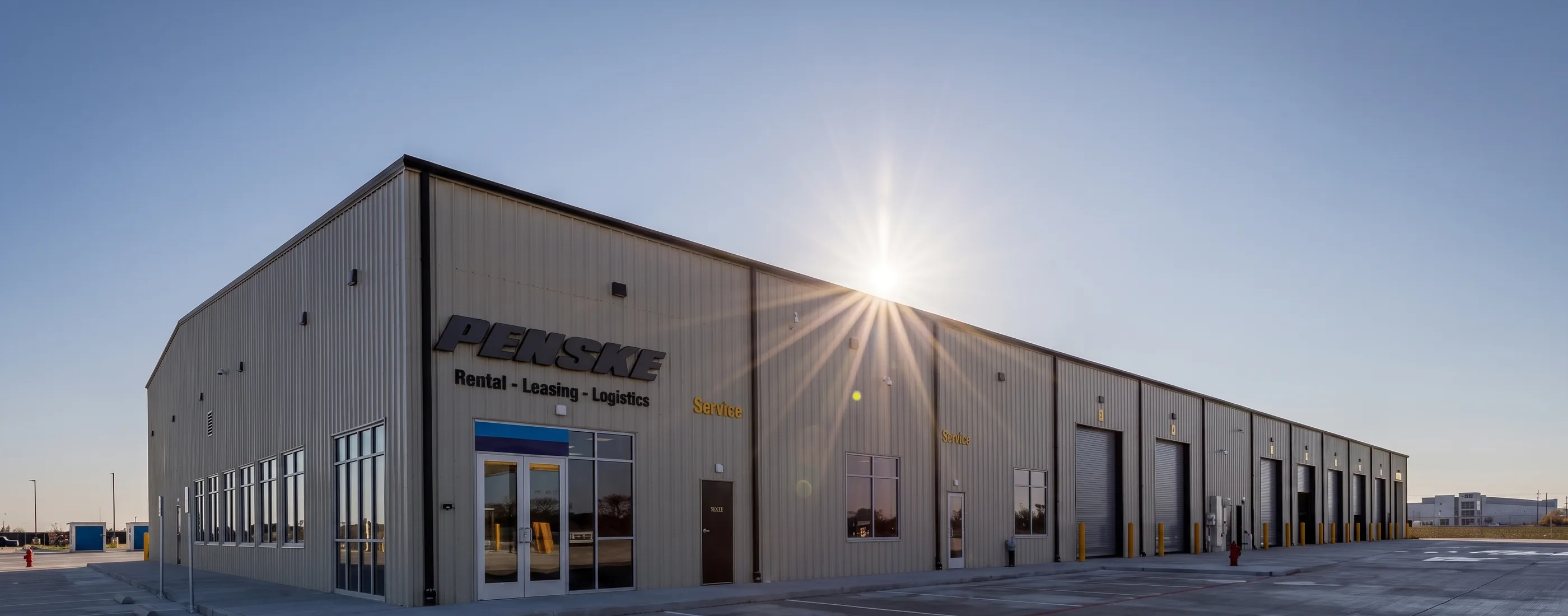
- Penske Katy Service Center: 20 bays, 140 FT wash, 8 acres of paving
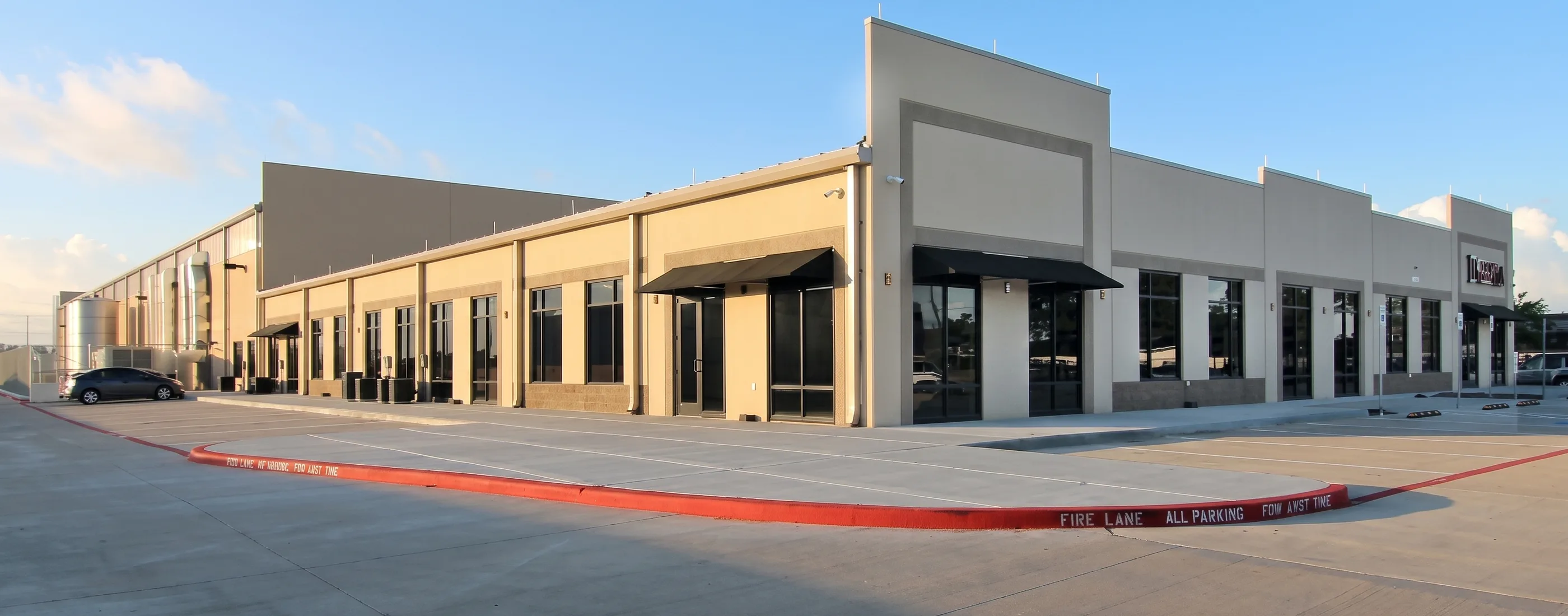
- Dishaka: 108,040 SF tilt-wall on a 9-acre site
- Preconstruction and leadership minutes from the site
Home market, home advantage
Houston is where AP started and where most of its work has been built. The Penske Katy Service Center and Dishaka’s tilt-wall facility are both a short drive from the office. So are the subcontractors in AP’s prequalified database, the suppliers who quote our long-lead items, and the jurisdictions whose review processes we have already been through.
That matters for an owner in a practical way. Leadership can walk a site the same day. Estimates reflect the local subcontractor market directly. And the drainage, soils, and permitting questions that shape every industrial project in this metro are ones the team has answered before.
What Houston owners get from AP
Leadership on site
Executives stay involved through preconstruction and construction, and local projects are close enough for that to mean regular site visits.
Local pricing
Estimates built from current local trade quotes and supplier lead times, leveled in BuildingConnected.
Known jurisdictions
Harris County, Fort Bend County, the City of Houston, and the surrounding cities each reviewed differently. AP maps the right path for each site.
Facilities already built here
Truck, industrial, workplace, and recreation facilities completed across the metro.
Houston-area project
Penske Katy Service Center
30,000
Shop
20
Truck bays
140
Truck wash
8
Heavy-duty paving
A 20-bay truck service facility with office and training space, a 140-foot truck wash, and eight acres of heavy-duty paving west of Houston.
Industrial corridors and truck traffic
Houston’s industrial land follows its freeways and its port. Distribution, fleet, and light industrial users cluster along the major corridors on every side of the city, and the sites that serve them see heavy truck traffic from the day they open. That shapes the work: entrances designed for tractor-trailers, queuing that keeps trucks off the public road, paving sections sized for repeated axle loads, and separation between truck and employee traffic.
The Penske Katy Service Center is a case in point. Twenty bays, a 140-foot wash, and eight acres of heavy-duty paving on the west side of the metro, planned so trucks could move between the shop, the wash, and the yard without crossing paths.
Industrial submarkets across the metro
AP plans each site around its submarket, because each side of the metro moves freight differently. Northwest Houston follows US-290 and Beltway 8, with a deep stock of warehouses, service yards, and light manufacturing that serve the whole region. North Houston runs along I-45 and the Hardy Toll Road toward George Bush Intercontinental Airport, where air cargo and regional distribution meet.
The east side is tied to the port and the plants along the Houston Ship Channel and SH-225, with Pasadena, La Porte, and Baytown home to much of the import warehousing. The Southwest submarket, along I-69 and US-59 through Stafford and Sugar Land, mixes light industrial, flex, and office-warehouse buildings like Dishaka’s. West of the city, the Katy Freeway (I-10) carries service and fleet sites like Penske Katy.
Farther out, the Grand Parkway (SH-99) now loops through much of the outer ring and has opened newer sites in Harris, Fort Bend, and Montgomery counties. Land there is often larger and less constrained, but utility service and drainage outfalls may still be catching up.
The Port of Houston and container freight
The Port of Houston drives demand across the east side. Its Barbours Cut and Bayport container terminals feed a steady flow of import boxes to cross-dock and distribution buildings, and the trucks carrying them run SH-225, SH-146, Beltway 8, and I-10 East.
A port-oriented building is planned around containers: dock positions for chassis, trailer parking for drop-and-hook moves, paving for loaded boxes, and room to stage trucks off the frontage road. AP lays out those moves in site planning, so the building and yard handle container traffic from the first day.
Turnaround seasons at nearby refineries and chemical plants can also tighten skilled trades, so AP checks availability against the schedule before pricing is final.
Flat sites, drainage, and soils
The Houston area is flat, low, and wet. Detention volume, finished floor elevation, and where the site drains to are the first questions on any industrial parcel, and they decide how much of the site is buildable and how the yard performs in a storm. Soils vary across the region as well, and the geotechnical report drives slab and paving design more than owners expect.
AP brings civil engineers and geotechnical consultants into site review early, so grading, drainage, and utility routing are resolved together and the building footprint and paving are set on real numbers. On Dishaka’s nine-acre site in Stafford, office, production, and warehouse had to be arranged against one drainage and truck-access plan.
Expansive clay, slabs, and yards
Much of the metro sits on expansive Gulf Coast clay that moves with moisture, rising after a wet spring and pulling back through a dry summer. A slab or paving section built without allowing for that movement shows it within a few seasons as cracked joints and uneven floors.
AP starts with the geotechnical report. It sets the slab design, how much native clay comes out, whether select fill or moisture conditioning goes in, and how the paving subgrade is treated, often with lime or cement stabilization under heavy truck traffic. On a tilt-wall building the slab is also the casting bed for the wall panels, so its flatness and timing set the early schedule, as they did on Dishaka’s 108,040 SF building.
Floodplain and detention review
Flood risk is part of every site decision in this region. AP checks the parcel against the FEMA flood maps and local floodplain rules before the site plan is drawn, because finished floor elevation, fill, and detention all follow from that answer.
The Harris County Flood Control District manages the regional bayous and channels, and city or county drainage criteria set how much detention a site needs and how fast it may release water. After Hurricane Harvey in 2017, both the City of Houston and Harris County tightened their rules for building in the floodplain. A site that looked simple before then may now need a higher slab, more detention, or a drainage impact study.
Harris, Fort Bend, and the cities
A Houston-area site may sit inside the City of Houston, inside a surrounding city, or in unincorporated Harris or Fort Bend County. Each has its own plan review, drainage authority, fire review, and inspection process, and utility service can come from a city, a municipal utility district, or a private provider.
During preconstruction AP identifies the specific jurisdiction and agencies for the site, confirms who prepares each submittal, and sets review durations in the schedule. Licensed civil, environmental, and design consultants prepare the applications. AP coordinates the sequence and keeps it moving.
No zoning, still plenty of rules
The City of Houston has no zoning, but that is not a blank check. AP checks several layers of rules on every in-city site before design starts.
Deed restrictions and private covenants can limit use, outdoor storage, building height, and materials, and they are enforced. City ordinances still govern platting, building lines, parking, landscaping, and buffers, and the Planning and Development Department reviews plats. City of Houston Public Works handles building permits and inspections.
The city’s reach also extends past its limits. Within its extraterritorial jurisdiction, a site outside the city may still need a city-approved plat. Many suburban cities, such as Sugar Land and Katy, do use zoning and run their own codes.
Hurricane season, heat, and rain
The Atlantic hurricane season runs from June 1 to November 30, and AP plans Gulf Coast jobsites with that window in view. Ahead of a named storm, the priorities are clear: secure materials and equipment, protect open roofs and standing wall panels, and keep drainage paths open so the site sheds water once the rain arrives.
Heat and rain set the daily rhythm. Summer pours often start before dawn to control curing and protect crews. A thunderstorm can halt earthwork for days while clay dries, so schedules carry weather days and push dry-in ahead of interior work.
Pricing a facility in the metro
AP prices local work from current trade quotes and supplier lead times, leveled in BuildingConnected. For an early budget, the instant estimate treats Harris, Fort Bend, and Montgomery counties as one Houston market. Its soil setting starts at moderate, the clay and select fill typical of the Gulf Coast, and two optional flags cover a coastal wind zone and competition for labor from the petrochemical plants.
That estimate covers building construction only. Paving, detention, utility extensions, and other site work sit outside it, and on a truck or distribution site they can be a large share of the budget. AP prices them once the survey and geotechnical report are in hand.
Headquarters proximity
AP’s office is at 12848 Queensbury Ln #208, Houston, TX 77024. For a project in the metro that means preconstruction can meet at the site, leadership can review the field without a flight, and the project team is drawing on subcontractors and suppliers it works with every week. Phone (346) 222-4999, Monday to Friday, 9:00 AM to 5:00 PM.
Owners who begin with a search for an industrial builder near me usually want one thing: a team that can stand on the site this week. From west Houston, AP reaches the Katy Freeway, Northwest, Southwest, and Ship Channel corridors by the same freeways their trucks will use.
Houston-area project
Dishaka Industrial Facility
- A 108,040 SF tilt-wall facility on nine acres in Stafford that puts 17,040 SF of office, 32,049 SF of production, and 58,951 SF of warehouse under one roof.
- Office, production, and warehouse under one tilt-wall roof on a flat nine-acre site southwest of Houston, where drainage, truck access, and three different sets of building systems had to be planned against one site plan.
Completed in the Houston area
All projects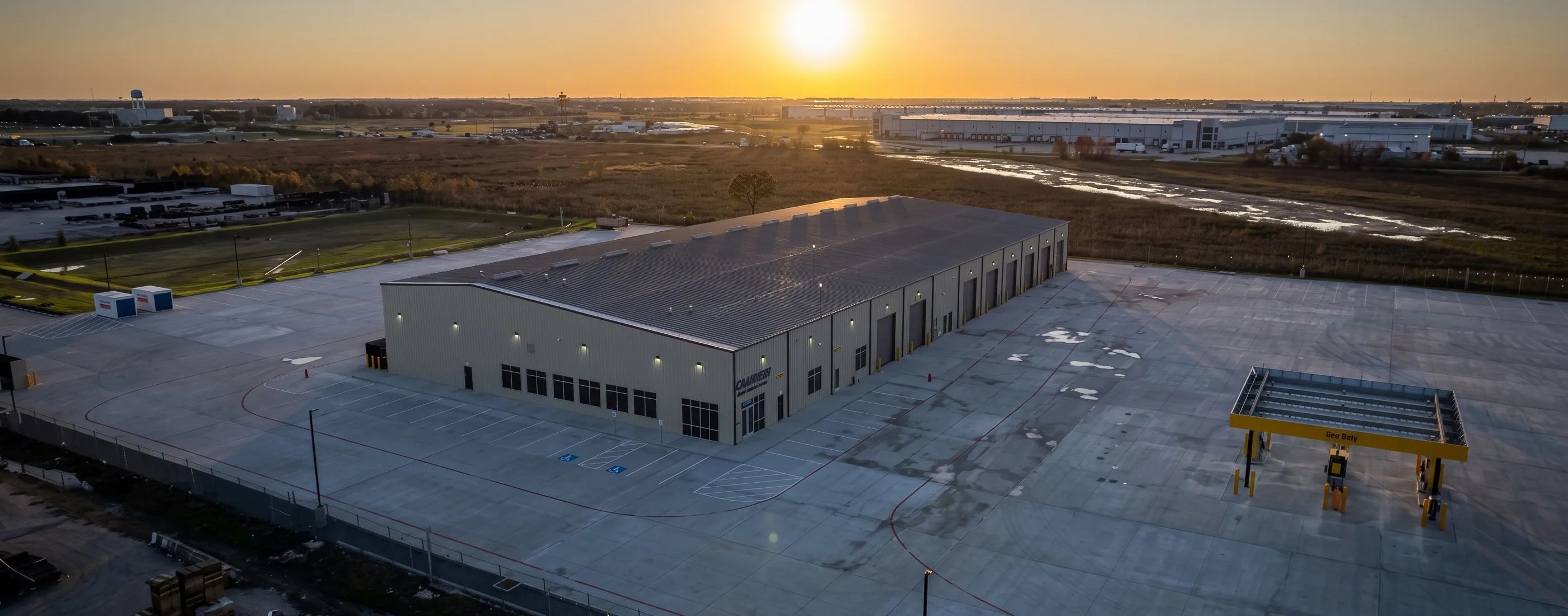
Penske Katy Service Center
Dishaka Industrial Facility
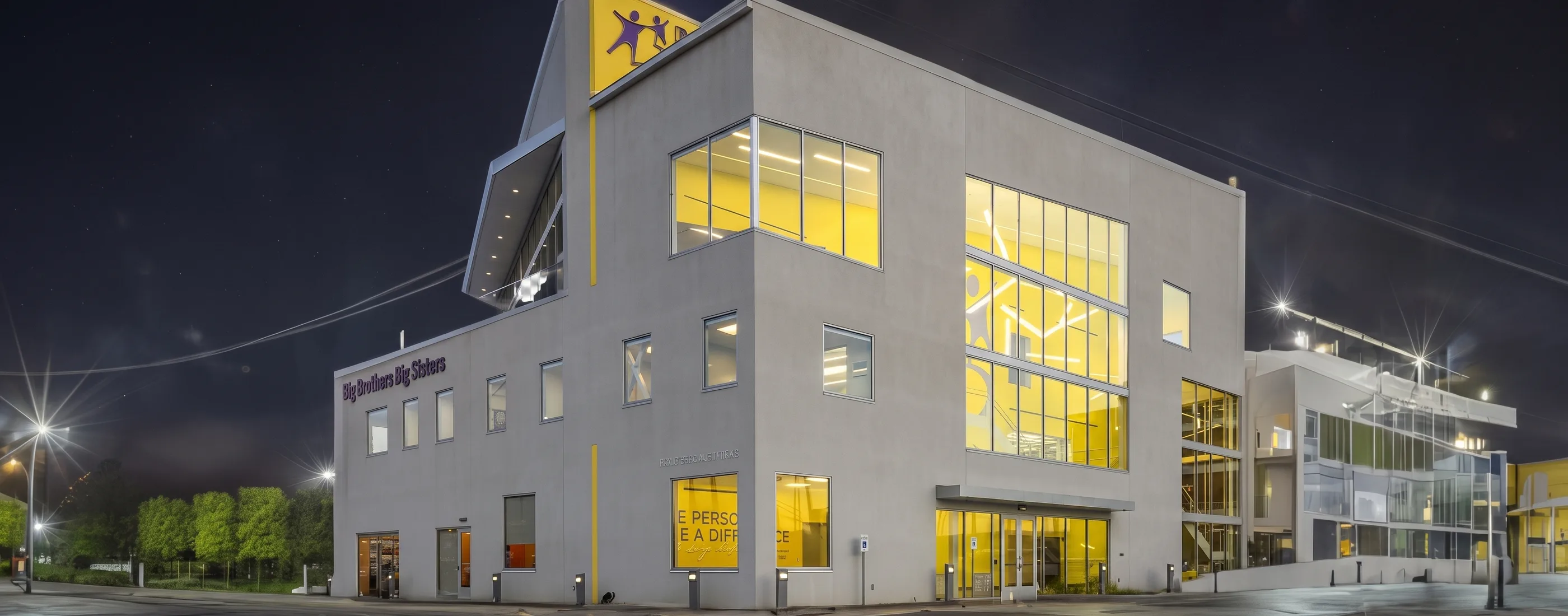
Big Brothers Big Sisters
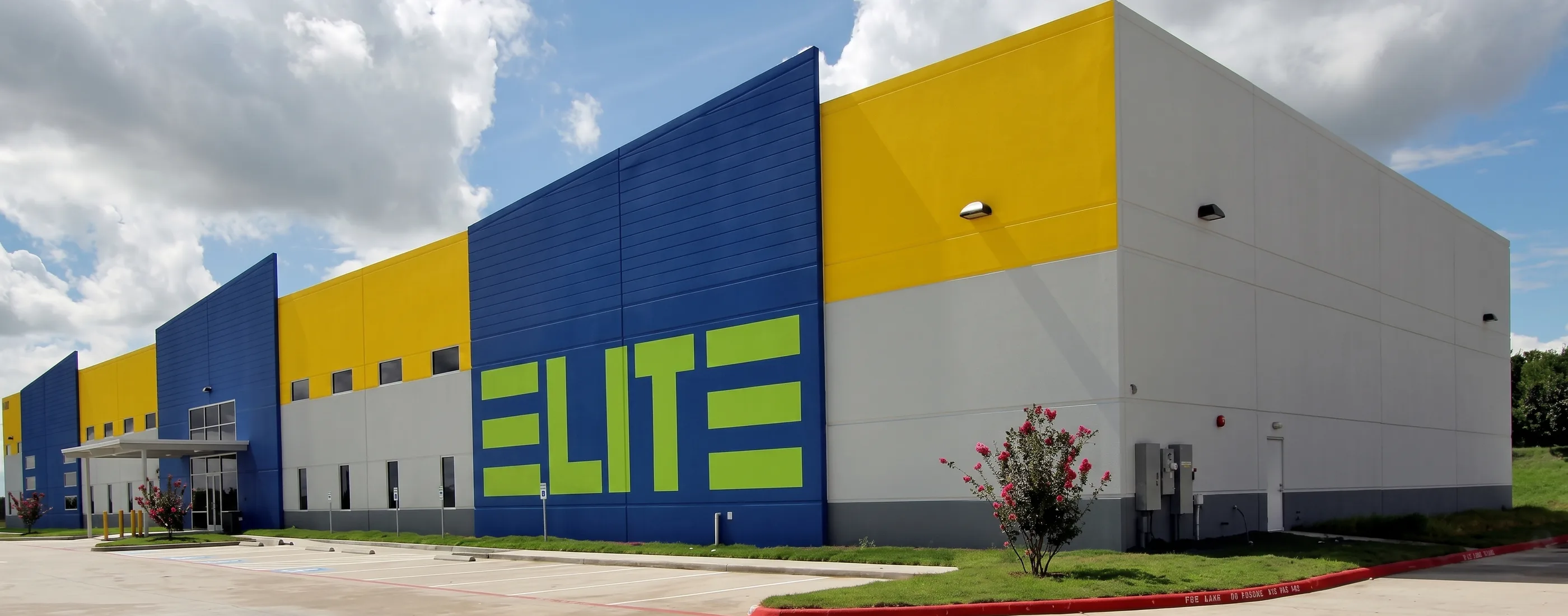
Elite Volleyball
About Houston
Houston sits on the flat coastal plain inland from Galveston Bay, laced with slow bayous that carry rain toward the bay. Buffalo Bayou winds past downtown and its parks before becoming the Houston Ship Channel, the working waterway that links the city to the Gulf of Mexico.
Much of the economy grew from that water. The port, the refineries and chemical plants along the channel, and the energy companies downtown and in the Energy Corridor made the city a center of the oil and gas business. The Texas Medical Center, NASA’s Johnson Space Center near Clear Lake, and a broad base of logistics and manufacturing round it out.
The city spreads wide and is stitched together by freeway loops: the 610 Loop, Beltway 8, and the Grand Parkway. Inside the loops are neighborhoods like the Heights, Montrose, and Midtown. Beyond them, suburbs such as Katy, Cypress, Pearland, Sugar Land, and The Woodlands keep pushing the edge outward. Life runs on long, humid summers, sudden downpours, and a close eye on the tropics each fall, with the Astros, the Texans, and the spring rodeo filling the calendar.
Building in Houston: questions
Where is AP Construction’s Houston office?
AP’s headquarters is at 12848 Queensbury Ln #208, Houston, TX 77024, open Monday to Friday, 9:00 AM to 5:00 PM. Preconstruction, estimating, and leadership work from this office, and projects across the metro are a short drive for the whole team. Call (346) 222-4999 or send the site details through the contact form to set a time to meet.
What has AP built in the Houston area?
The Penske Katy Service Center, a 20-bay truck facility with a 140-foot wash and 8 acres of paving; Dishaka’s 108,040 SF tilt-wall office, production, and warehouse facility; the Elite Volleyball training facility; and the Big Brothers Big Sisters headquarters. Each one has its own project page with the facts AP can publish.
Does AP build outside the City of Houston limits?
Yes. Much of the region’s industrial land sits outside the city limits, in unincorporated Harris and Fort Bend counties or in surrounding cities. AP maps the specific jurisdiction, drainage authority, and utility provider for each site during preconstruction. Each one sets its own detention, fire review, and platting steps.
How does Houston drainage affect a warehouse or fleet site?
Houston-area sites are flat and the region gets intense rain, so detention, finished floor elevation, and outfall design decide how much yard and building the site can hold. AP coordinates civil engineers early so drainage is settled before the footprint and paving are fixed.
Can AP build a truck facility on a busy Houston freight corridor?
Yes. The Penske Katy Service Center sits in the west Houston corridor and was planned around heavy truck circulation, staging, and 8 acres of heavy-duty paving. Access from the public road, queuing, and separation from car traffic are settled in site planning.
What is the advantage of a Houston-based contractor for a Houston project?
Proximity and familiarity. Leadership can be on site quickly, preconstruction knows the local subcontractor market and lead times, and the team has already worked through the drainage, soils, and permitting patterns that shape industrial projects here. The office is close enough to walk a site the same week a call comes in.
Which Houston industrial submarket fits a truck or distribution facility?
It depends on where the freight goes. Port imports favor the east side near SH-225 and the Ship Channel. Regional distribution often fits Northwest Houston along US-290 or North Houston along I-45. Fleet and service sites work well along I-10 West, where the Penske Katy Service Center sits. AP reviews access, drainage, and utilities for each candidate.
Can AP build a container or cross-dock facility near the Port of Houston?
Yes. Buildings that serve the Barbours Cut and Bayport terminals are planned around container flow: dock positions for chassis, trailer and container staging, heavy yard paving, and truck routes to SH-225, SH-146, and Beltway 8. AP sets those moves in site planning, then builds the warehouse, yard, and docks to match how freight arrives.
Does the City of Houston’s lack of zoning make an industrial site easier to build?
Sometimes, but not by default. The City of Houston has no zoning map, yet deed restrictions, platting rules, building lines, parking, and landscaping ordinances still apply. AP reviews the title commitment and city requirements during preconstruction, so a use restriction or plat issue surfaces before design starts rather than at permit review.
How do the post-Harvey floodplain rules affect a new Houston warehouse?
Since Hurricane Harvey, the City of Houston and Harris County have held floodplain sites to stricter standards for finished floor elevation, fill, and detention. That can raise the slab, add detention volume, and shrink the buildable area. AP checks the flood maps and local criteria during site review, so those costs are known before the site plan is fixed.
What does Houston’s expansive clay mean for a slab or truck yard?
Gulf Coast clay moves with moisture, rising after a wet spring and pulling back through a dry summer. Under a slab or a loaded truck yard, that shows up as cracked joints and uneven floors. AP builds the geotechnical engineer’s fix into the price, whether that means undercut and select fill, moisture conditioning, or a stabilized subgrade.
How does AP plan a Houston jobsite around hurricane season?
Atlantic hurricane season runs June 1 through November 30. AP plans Gulf Coast jobsites with that window in view: materials and equipment that can be secured quickly, roofs and wall panels protected while open, and drainage paths kept clear. The schedule also carries weather days for heavy rain, which can stop earthwork on clay sites.
Who reviews permits for a site in unincorporated Harris or Fort Bend County?
Outside city limits, the county engineering department reviews site development and the county fire marshal reviews fire protection. Drainage may also go through the flood control or drainage district, and water and sewer often come from a municipal utility district. AP identifies each agency during preconstruction and builds its review time into the schedule.
Planning a facility in the Houston area?
Send us the site and the program. We can walk it this week and tell you what the drainage, the jurisdiction, and the schedule will demand.